Enthusiasm spreads
Difficult material becomes more approachable when the teacher shows real interest, energy, and confidence in the subject.
About
AdriaMont Institute was founded and is directed by Dr. Miloš Kankaraš. It is built around courses, seminars, learning materials, and free resources for adults who want depth, relevance, and practical value.
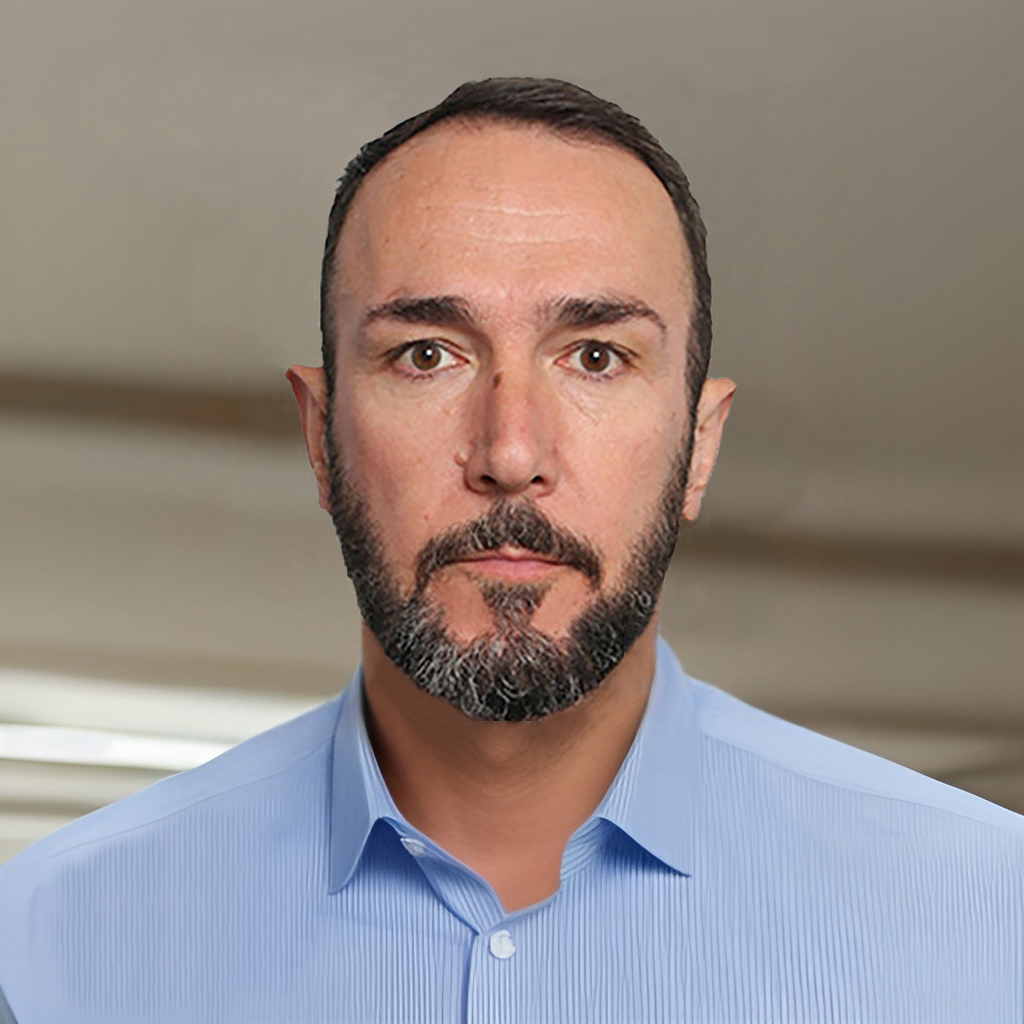
About the expert
Founder and Director, AdriaMont Institute
Dr. Miloš Kankaraš is a researcher whose work spans both substantive scientific and policy fields and the methods used to study them. Over more than twenty years with the OECD, UNESCO, Eurofound, Cedefop, and the Minderoo Foundation, he has contributed to major international work across psychology, education, social policy, wellbeing, gender equality, and sustainability, while building deep technical expertise in psychometrics, research design, quantitative analysis, and program evaluation. AdriaMont Institute is where he turns that interdisciplinary experience into clear, practical digital learning for adults.
Member of the Psychometric Society, the International Test Commission (ITC), the International Association for Cross-Cultural Psychology (IACCP), and ACM SIGCHI (Special Interest Group on Computer-Human Interaction).
Teaching profile
Dr. Milos Kankaras has taught research methods, psychometrics, educational psychology, applied statistics, psychological practicum, and data analysis across several European universities. This experience shapes how AdriaMont Institute designs digital courses, seminars, templates, and guided learning materials.
Netherlands
Teaching assistant, course coordinator, lecturer, and thesis supervisor
Causal analysis, questionnaire construction, psychometrics, research methods, research-cycle teaching, and supervision of research design and data-analysis work.
Difficult material becomes more approachable when the teacher shows real interest, energy, and confidence in the subject.
Complex concepts need everyday and professional examples that connect new knowledge to what learners already understand.
Respectful learning environments make participation, questions, and critical thinking more likely.
A relaxed tone, humor, and a human atmosphere can reduce intimidation without reducing rigor.
Clear materials, expectations, schedules, exercises, answers, and assessment logic make demanding courses fairer and more effective.
Areas of expertise
Miloš works where substantive policy and research fields meet the methods used to study them: from psychology and education to social policy, wellbeing, gender equality, and sustainability, underpinned by deep expertise in psychometrics, quantitative analysis, and evaluation.
Personality, social and emotional skills, metacognition, and creativity.
Early childhood education, development, and wellbeing.
Active learning, skill development, and educational assessment.
Employability, workplace learning, and work organisation.
Subjective wellbeing and quality of life.
Global gender-equality evidence and landscaping.
Education for sustainable development and the SDGs.
Psychometrics, quantitative analysis, and program evaluation.
What learners say
Excerpts from anonymous student evaluations of university teaching in statistics, research methods, and data analysis.
9.1 / 10
Lecturing
8.7 / 10
Tutoring
Average student ratings for lecturing and tutoring in master-level evaluations (Psychology master programme, Erasmus University Rotterdam).
He was one of the best professors I have ever had. He could explain extremely well, he patiently listened to our struggles, and he tried to make a difference. It made me truly feel that he cared about his students.
The best tutor I have ever had. Very patient and stuck with a problem until he knew everybody understood. You can see he has a real passion to teach statistics.
I really appreciated his enthusiasm and his true interest in guiding us through this difficult terrain. He did an excellent job at making us feel at ease and interested in the subject matter.
He provided detailed explanations of difficult concepts and made them simple, even for students with little statistical background. Overall, he is really good at teaching.
Very open to our opinions, super helpful and clear, and very interactive. He made statistics interesting. He went above and beyond.
The professor gave us useful exercises and showed how to run them, get the results, and interpret them. I wish all the courses were like this.
Educational philosophy
The goal is to make complex topics easier to understand without making them shallow.
Courses and materials draw on Dr. Miloš Kankaraš's interdisciplinary work across psychology, education, social policy, wellbeing, gender equality, and sustainability, paired with deep expertise in psychometrics, data analysis, and evaluation.
Courses use applied examples, cases, frameworks, templates, report logic, assessment materials, and decision contexts from rich professional experience.
The learning design is informed by educational psychology, university teaching experience, and research on how people develop complex skills.
Programs connect knowledge to current skill needs, workplace change, employability, skill mismatches, and professional development priorities.
Materials are structured, visual, easy to navigate, and built to make serious learning more usable, enjoyable, and effective.
Publications and appearances
A sample of articles, talks, and media drawn from international research and policy work. The full publication record is on Google Scholar.
OECD Education and Skills Today
ArticleUNESCO MGIEP
PodcastPodcast, Episode 10
OECD
YouTube
TalkYouTube
TalkYouTube
An occasional email when a new free resource, course, or seminar goes live. No spam, and you can unsubscribe at any time.